Train Smart: 5 Essential Tips to Stay Safe During Jiu-Jitsu Training

Brazilian Jiu-Jitsu has become one of the most popular martial arts in the world for good reason. It offers practical self-defense skills, a challenging full-body workout, and a supportive training community. One reason the sport continues to grow is that it can be practiced safely by people of many ages and experience levels when proper training habits are followed.


At its core, Jiu-Jitsu is about technique, control, and problem-solving rather than reckless aggression. However, as with any physical activity, injuries can occur if techniques are rushed, warning signs from the body are ignored, or athletes develop poor training habits.


The good news is that most injuries are preventable. Safe training comes down to awareness, communication with your training partners, and a commitment to improving your skills responsibly.


Our coaches at Ground Control Sykesville often remind students that learning how to train safely is just as important as learning submissions or sweeps. If you want to stay on the mats for years to come, here are five essential tips that can help protect you and your training partners during Jiu-Jitsu training.

Tip #1: Tap Early and Tap Often

One of the most important habits in Brazilian Jiu-Jitsu is knowing when to tap. Tapping is the signal that tells your training partner you are caught in a submission and that they should release the pressure immediately. It is a fundamental part of safe training.


Submissions place controlled pressure on joints or restrict blood flow. Waiting too long to tap can place unnecessary stress on ligaments and joints, which increases the risk of strains or sprains. By tapping early, you allow yourself to learn the position without putting your body at risk.


Even advanced practitioners tap regularly during training because they value longevity and skill development over winning a round. The goal of sparring is improvement, not proving toughness.


Tapping is simply part of smart training. It allows you to reset, learn from the situation, and continue developing your skills safely.

Tip #2: Choose Training Partners Who Train Responsibly

Your training partners play a major role in your safety during Jiu-Jitsu practice. A good partner understands that both people are there to learn and improve, not to dominate every round.


When rolling with someone new or unfamiliar, it is helpful to begin at a controlled pace. This allows both partners to feel out each other’s movement and intensity before increasing the speed of the round.


Communication also makes a big difference. If you are recovering from a minor injury or want to train at a lighter pace, letting your partner know ahead of time helps create a safer training environment.


Experienced partners can also help you develop better timing, positioning, and control without unnecessary risk. When everyone trains responsibly, the
entire room benefits.

Tip #3: Focus on Technique, Not Strength

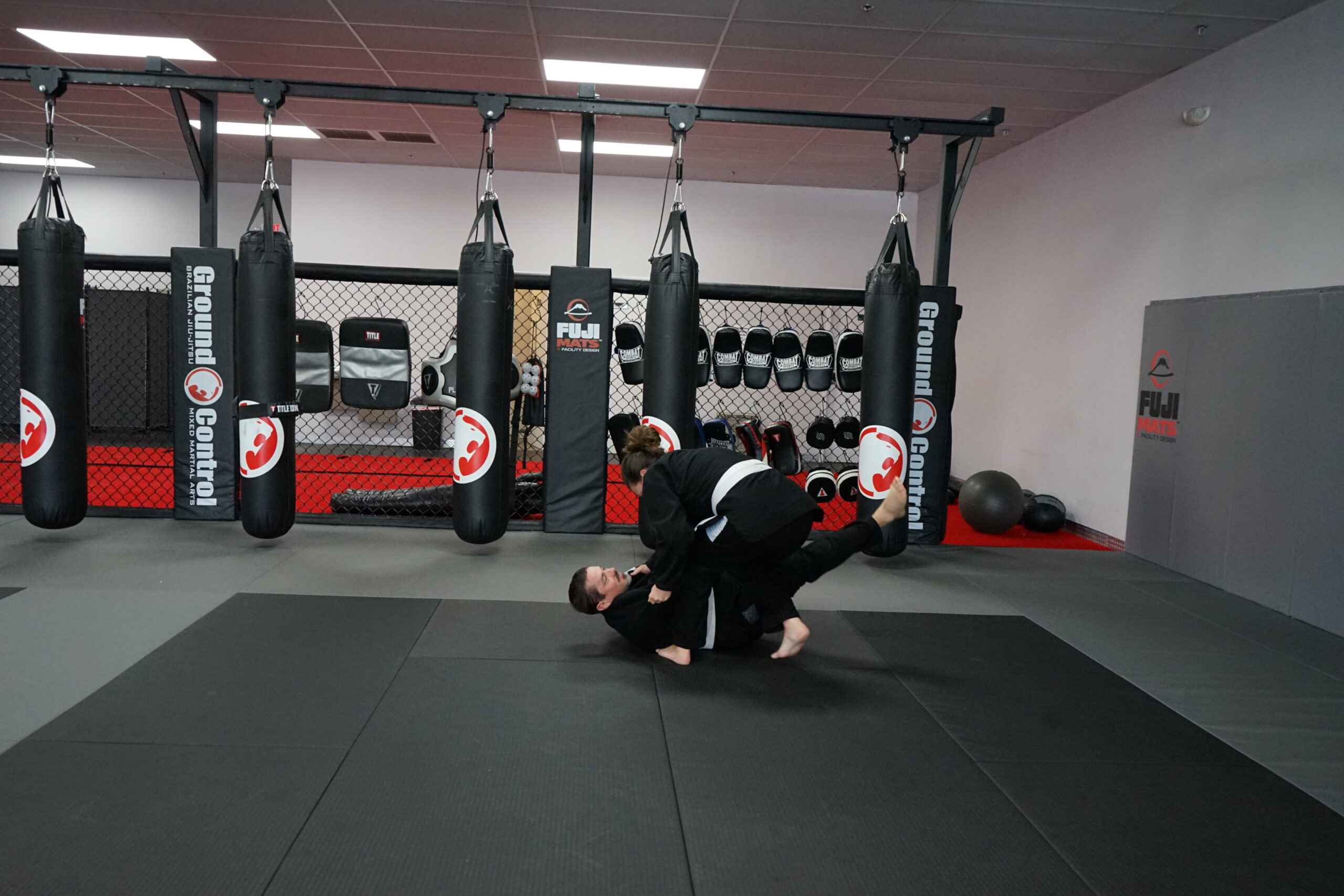
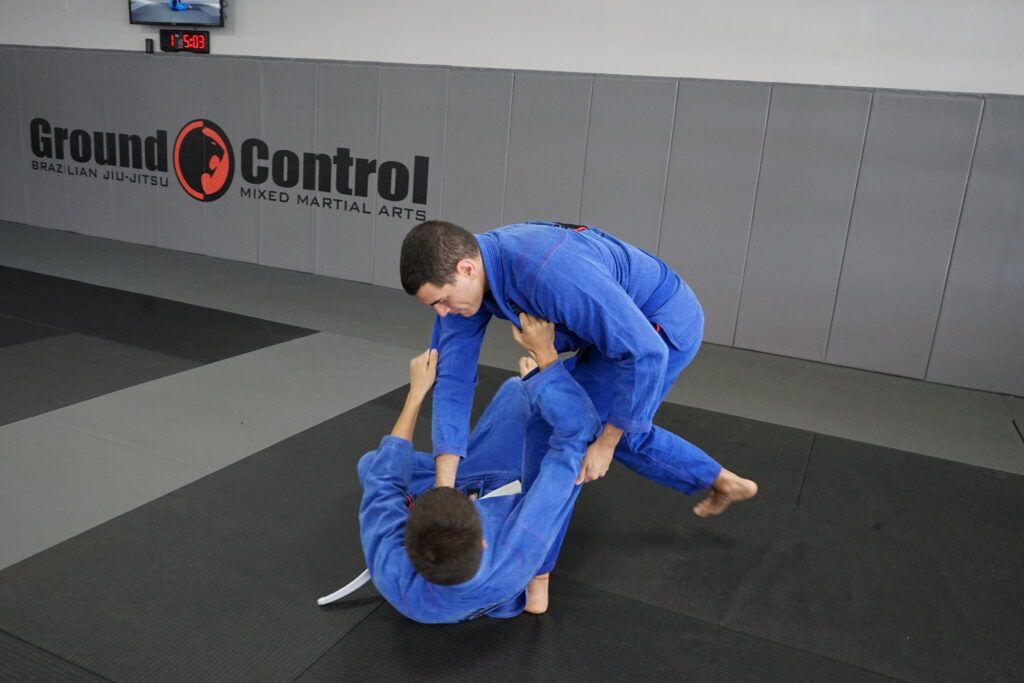
One of the foundational ideas behind Brazilian Jiu-Jitsu is that technique can overcome strength and size. However, some beginners try to force positions or submissions using pure strength. This approach often slows down learning and increases the risk of injury.


Using excessive force can lead to poor mechanics and awkward movements that strain muscles and joints. Focusing on technique allows your body to move more efficiently and safely. Controlled movement helps you understand leverage, positioning, and timing while also protecting your training partner from sudden or unpredictable motions.


At Ground Control Sykesville, coaches encourage students to move with control and intention. The goal is to build skill and confidence over time, not to overpower your partner during practice.

Tip #4: Warm Up Your Body Before Rolling

Preparing your body before training is one of the easiest ways to prevent injuries. Jiu-Jitsu places stress on areas like the shoulders, hips, knees, and neck, so these parts of the body should be ready before sparring begins.


A proper warm-up often includes mobility exercises that loosen the joints and activate the muscles used during grappling. Light drilling with a partner can also help your body adjust to the movements used in training.


Gradually increasing intensity allows your body to adapt to the demands of the session. Jumping straight into hard rounds without preparation can place unnecessary stress on muscles and connective tissue.


After class, stretching and recovery work can also support long-term health and help reduce soreness.

Tip #5: Listen to Your Body

One of the most important skills in martial arts training is learning to recognize what your body is telling you. Fatigue, soreness, or discomfort can be early signs that you need to slow down or adjust your training.


Ignoring these signals can turn small problems into larger injuries that require time away from the mats. Taking a short break, lowering the intensity of a round, or focusing on technique drills instead of hard sparring can help prevent setbacks.


Recovery also matters. Staying hydrated, getting enough rest, and allowing your body time to recover after tough training sessions helps maintain long-term progress.


Jiu-Jitsu is a long-term journey, and staying healthy allows you to keep improving over time.

Train for the Long Run

Brazilian Jiu-Jitsu is often described as a lifelong martial art. Many practitioners continue training for decades because the sport rewards patience, technique, and smart training habits.


Developing safe training habits allows you to stay consistent and continue progressing without unnecessary interruptions. Tapping early, choosing responsible training partners, focusing on technique, warming up properly, and listening to your body all contribute to a healthier training experience.


These habits also reflect the values of martial arts. Respect for your training partners and care for your own well-being are essential parts of the discipline.

Train with a Team That Prioritizes Smart Training

If you are looking for a place to train where safety, technique, and supportive coaching come first, Ground Control Sykesville offers an environment designed to help students grow at every level.


Our coaches emphasize proper technique, controlled training, and smart habits so students can develop their skills while staying healthy and confident on the mats.


Join Ground Control Sykesville and experience Brazilian Jiu-Jitsu training built on strong fundamentals, steady progress, and a community that supports

every student’s journey.

Don’t Stop Here

More To Explore

Join Us

Try A Class
For Free